
 Forget the boardwalk chains — the best meals on the Oregon coast come from fish counters, chowder shacks, and a cooler in your trunk.
The Quiet Charm of Off-Season Coastal Towns
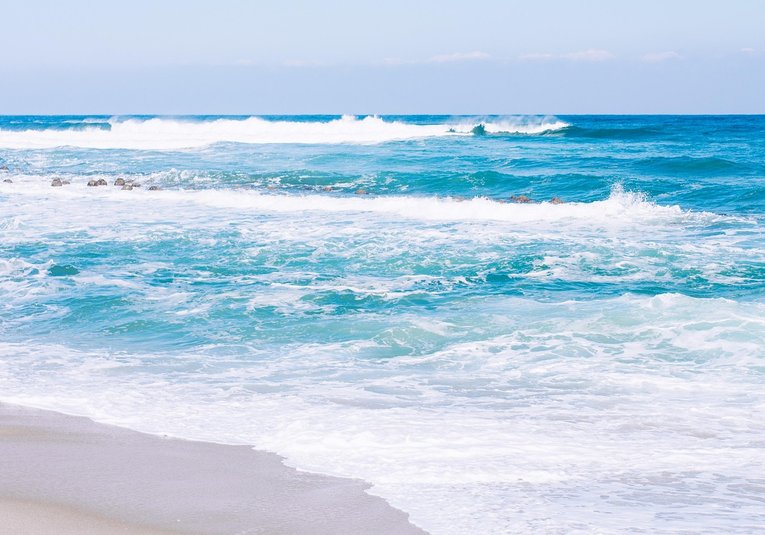
There is a specific kind of silence that settles over a coastal town in late October. The boardwalk is still there. The ice cream stands are still there, shutters drawn, chairs stacked. The ocean hasn't changed at all. But the people are gone, and what's left is the town as it actually is, not as it performs itself in July.
I started visiting off-season by accident, years ago, when a work trip pushed a planned beach weekend into November. I expected disappointment. I got something better. The restaurant that had a two-hour wait in summer seated me immediately by the window, and the owner came over to ask where I was from, and we talked for twenty minutes about the fishing boats and the storm coming in. That conversation would never have happened in August.
What You Gain When the Crowds Go
Off-season travel on the coast is not for everyone. Some things are closed. Some things are closed for good, and you find out only when you pull into the parking lot. But the things that stay open tend to be the ones that matter — the local diner, the bookstore, the bar where the fishermen drink, the hardware store that also sells coffee. These are the places that don't depend on tourists to survive, and they're the places worth finding.
The prices drop, too, sometimes dramatically. The same cottage that rents for four hundred a night in July might go for a hundred and twenty in February. The ferries are easier to book. The trails are empty. The lighthouses, which in summer are mobbed by people taking the same photograph, become places where you can stand alone and listen to the wind and the water and nothing else.
There's a trade-off, and it's worth naming. Some of the charm of a coastal town in season is the bustle — the kids with kites, the smell of fried dough, the sound of a distant concert. Off-season, you trade that for a different kind of beauty. The light is lower and longer. The storms are more dramatic. The locals have time to talk, and they will, if you ask the right questions and don't act like a tourist.
How to Do It Well
Call ahead. Not everything is open, and the places that are may have shortened hours. Check the ferry schedules, because some routes run less frequently or stop altogether. Bring warmer clothes than you think you need, and bring a rain jacket that actually works. Bring cash, because some of the small places still don't take cards.
And slow down. The whole point of off-season travel is that there's nothing to rush to. Sit in the coffee shop for an hour. Walk the beach in the rain. Eat the chowder that's been simmering all day. Talk to the person behind the counter, and listen when they tell you where to go. They know things the guidebooks don't, and they'll share them if you're not in a hurry.
The coast in winter is not a lesser version of the coast in summer. It's a different place entirely, and it's been waiting for you.