
 Off-season beaches are cheaper, emptier, and stranger — and for many coastal residents, they're the best months of the year.
How to Eat Like a Local on the Oregon Coast
My first lesson in eating well on the Oregon coast came from a woman behind a counter in Newport who looked at my order and said, plainly, "You don't want that. You want the razor clams." She was right. That is the thing about this stretch of coastline: the food is not designed to impress you. It is designed to be eaten on a windy bench while gulls circle overhead and your fingers get salty.
The Oregon coast runs about 360 miles from Astoria to Brookings, and the eating changes as you move. Up north, near the Columbia River, you find smoked salmon and sturgeon. In the middle, around Newport and Depoe Bay, it's all about Dungeness crab and chowder. Farther south, in Bandon and Gold Beach, the focus shifts to oysters, clams, and whatever the charter boats brought in that morning.
The Counters and Shacks Worth Your Time
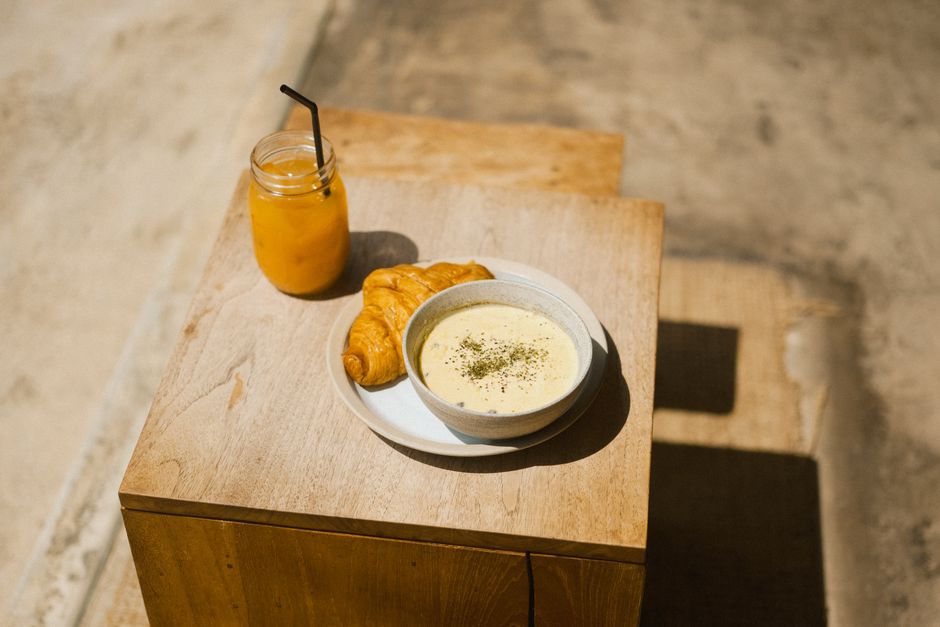
The best meals I've had here were not in restaurants with linen napkins. They were at fish markets with a few stools and a fryer, where you pick your crab from a tank and they cook it while you wait. They were at chowder houses where the recipe has not changed in forty years and the bread bowls are optional but recommended. They were at a roadside stand outside Tillamook where a family sold smoked cheddar and jerky out of a converted garage.
Look for places where the menu is short and the fish is named by species, not by sauce. If a spot lists the day's catch on a whiteboard, order from the whiteboard. If there's a line of locals at 11:30 in the morning, join it. And if someone offers you a sample of something you've never tried, say yes. That's how I ended up eating pickled herring on a dock in Astoria and liking it.
Building Your Own Coastal Picnic
Some of the best eating on the coast happens nowhere near a restaurant. Stop at a fish market in the morning, buy a pound of cooked crab or a smoked salmon fillet, and add bread, butter, and a lemon from a grocery in town. Drive to a state park with beach access, find a driftwood log, and call it lunch. The salt air does something to plain food that no chef can replicate.
Two things to remember: check the season for crab and clams, since regulations shift and some months are closed, and always carry cash, because the smallest and best places often don't take cards. Beyond that, follow the crowd, trust the whiteboard, and let the weather decide where you stop. The coast rewards people who wander.