
 Tide pools are the easiest wildlife safari on earth — if you know when to look, where to step, and what not to touch.
A Weekend in a Working Fishing Village
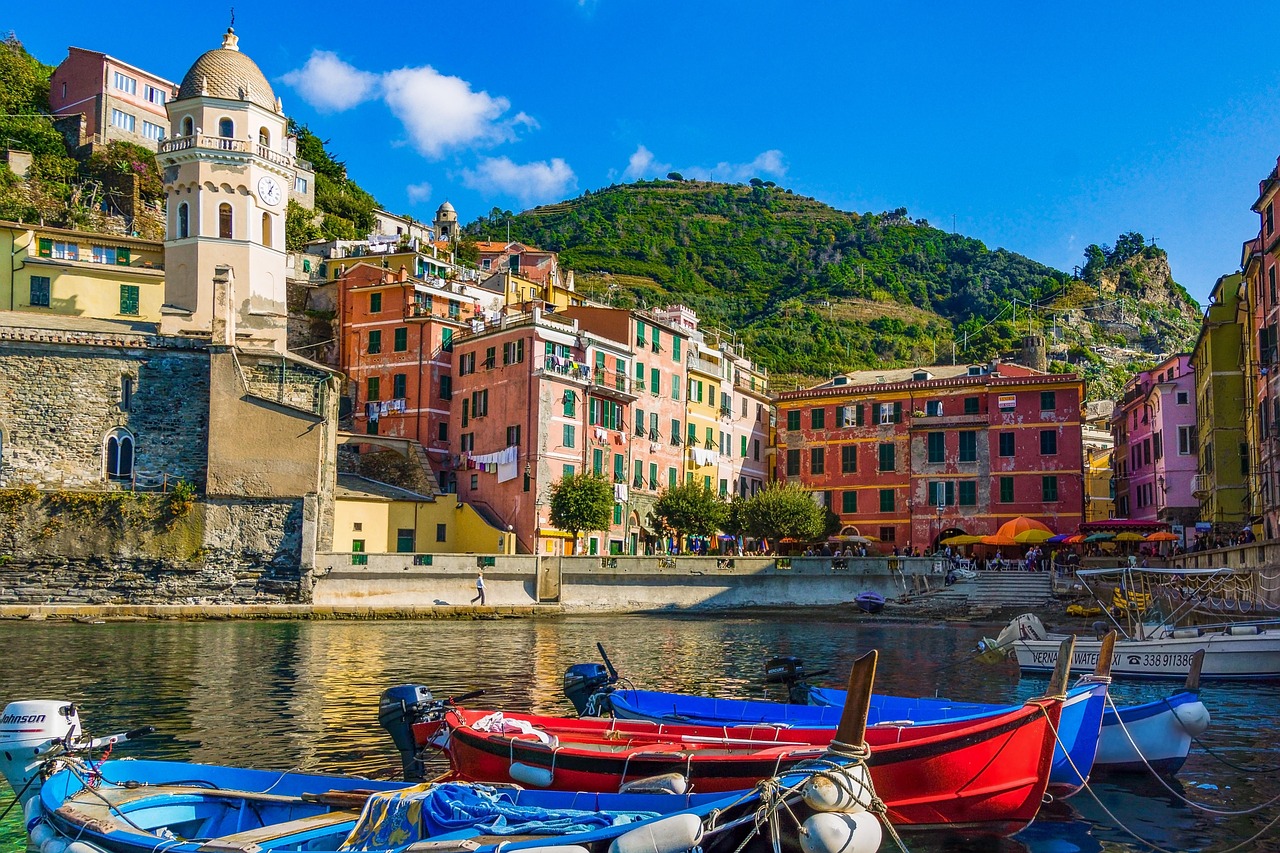
The first thing you notice in a working fishing village is that nobody is trying to sell you anything. The harbor is full of boats that smell like diesel and fish, not like a photo opportunity. The guys on the docks are busy, and they don't care that you're watching. The coffee shop opens at five because that's when the fleet goes out, and it closes at two because there's no one left to serve.
These villages are harder to find than they used to be. Gentrification has turned a lot of them into quaint versions of themselves, with boutiques where the fish houses used to be. But there are still places where the industry is real — on the outer coast of Washington, in parts of Alaska, along the Maine Downeast, in pockets of the Chesapeake. If you find one, treat it like the working place it is.
Where to Stay and What to Eat
You probably won't find a boutique hotel. You'll find a motel, a B&B, or maybe a rented room above a store. That's fine. You're not here for the thread count. You're here for the view of the harbor at dawn, when the boats are leaving and the gulls are following them out, and the whole town smells like salt and diesel and the day's work starting.
Eat where the fishermen eat. That usually means a diner with a laminated menu and a waitress who calls you hon. The fish will be whatever came in that morning, and it will be the best fish you've had in years, because it was swimming yesterday. Order the chowder. Order the fish and chips. Order whatever's on the special board, because that's what's fresh. Don't ask for a wine list. Ask for a beer.
If there's a fish market, go. Buy something. Ask the person behind the counter how to cook it, and listen. They'll tell you the truth, and they'll be pleased you asked. If there's a co-op or a community-supported fishery, support it. These are the institutions that keep the village working, and they need customers who care.
How to Be a Good Visitor
Don't get in the way. The docks are workplaces, not attractions, and a boat that's unloading is on a schedule. Stay behind the signs. Don't touch the gear. Don't ask to go aboard unless you're invited. If you want to take photos, ask first, and accept no for an answer. The people here have seen a lot of tourists, and they can tell the difference between someone who's curious and someone who's entitled.
Buy things. Eat at the restaurants. Stay at the motels. Tip well. The economy of a fishing village is fragile, and the money you spend goes further than you'd think. If you can, come in the shoulder season, when the town is quieter and the people have more time to talk. And if someone offers to take you out on a boat, say yes. That's the whole point of coming here.
The working coast is not a museum. It's a place where people make a living from the water, the way their parents did and their grandparents did. If you visit with respect, you'll see something the resort towns lost a long time ago — a coast that doesn't perform for you, but simply is.