
 Forget the boardwalk chains — the best meals on the Oregon coast come from fish counters, chowder shacks, and a cooler in your trunk.
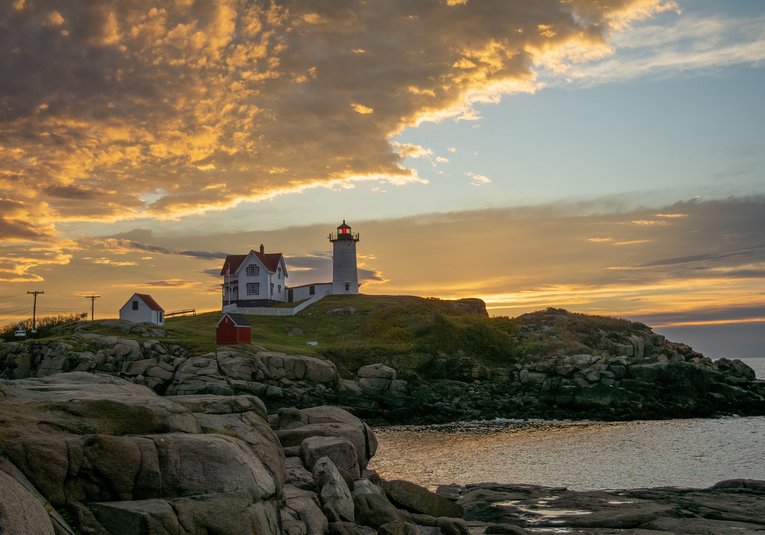
The Slow Ferry to Ocracoke: Why the Journey Is the Destination
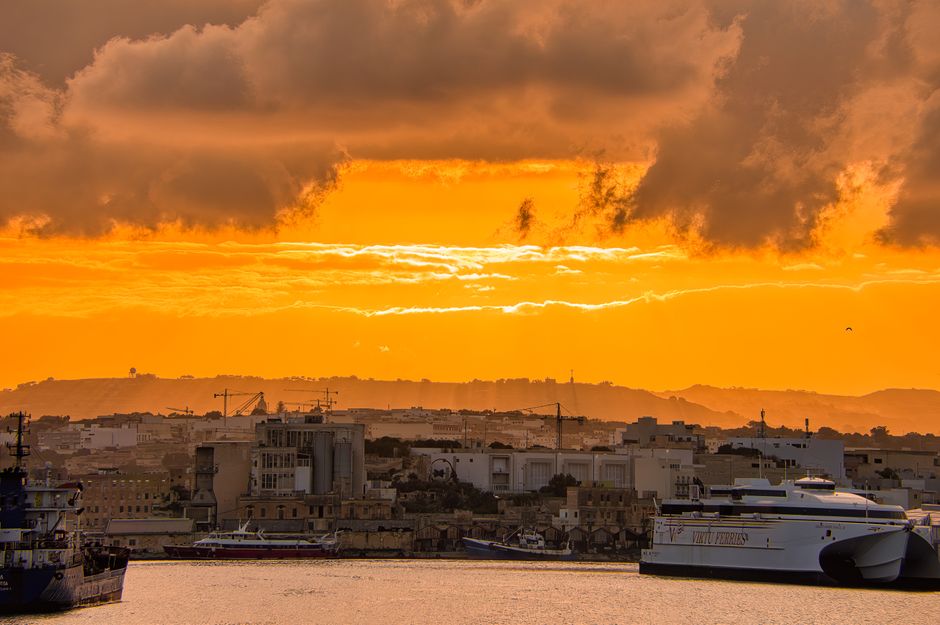
The first time I drove onto the deck of a ferry bound for Ocracoke, I thought I was just killing time between two points on a map. The crossing from Hatteras takes about an hour, and I had a cooler of sandwiches and a paperback I never opened. What I didn't expect was that the ride itself would become the memory I kept returning to long after the sand washed out of my shoes.
Ocracoke sits at the southern end of North Carolina's Outer Banks, reachable only by boat or a small plane. That single fact changes everything about the place. There is no bridge, no highway exit, no quick way in. You wait for the ferry, you park where they tell you, and then you sit. The engine hums. The pelicans draft alongside the hull. Somewhere behind you, the mainland gets smaller and less important.
What the Crossing Teaches You
Ferries run on their own schedule, and once you accept that, the trip gets better. On the deck, strangers talk. A fisherman tells you which side of the island has the best surf casting. A retiree shares the name of a restaurant where the shrimp come off the boat that morning. You hear the same advice twice from different people and start to trust it. By the time the pilings of Ocracoke's harbor slide into view, you already feel like you've been let in on something.
The island itself is small, maybe sixteen miles of road end to end, with a village that clusters around a silver harbor and a lighthouse that still uses its original Fresnel lens. Bikes outnumber cars in summer. People wave from porches. The pace is not slow because someone decided it should be quaint; it is slow because there is no reason for it to be anything else.
Planning Around the Tide and the Clock
If you go, check the ferry schedule the night before, because departures shift with the season and the weather. Bring water and sunscreen for the deck, even in shoulder months. Reserve a place to stay well ahead if you're visiting between Memorial Day and Labor Day, and consider a weekday trip if you want the village to yourself. Pedestrians and cyclists board first on many runs, so a car-free visit is entirely possible if you're willing to walk a bit.
What stays with me most is the return crossing, usually at dusk. The water turns the color of hammered metal, and the island shrinks behind you like a held breath. I've taken that ferry four times now, and I still haven't finished a book on it. There's too much to watch, and nowhere I'd rather be than between two shores.