 Tide pools are the easiest wildlife safari on earth — if you know when to look, where to step, and what not to touch.


RNG, RTP and the Real Math Behind Your Favourite Casino Games
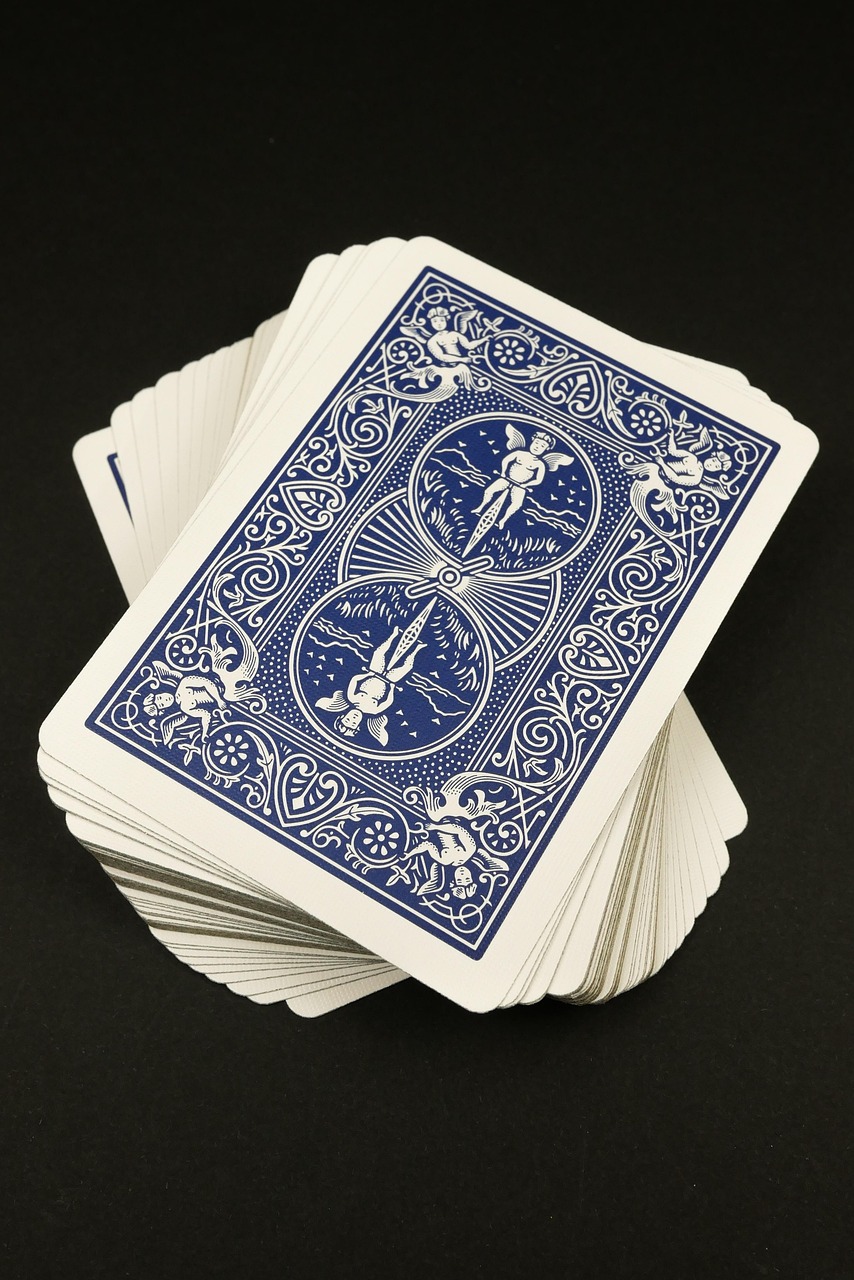
Ask ten slot players what determines whether they win, and you'll get ten variations of the same answer: luck. That's true as far as it goes, but it hides something far more interesting. Every spin, every deal, every roll of the dice in a licensed online casino is governed by mathematics that was locked in long before you clicked the button. Understanding that math won't help you beat the house — but it will change how you choose games, size your bets, and recognise when a bonus is genuinely worth your time.
RNGs: The Engine Nobody Sees
At the heart of every digital casino game sits a Random Number Generator. Modern RNGs are not simple number-pickers; they're cryptographic algorithms that produce sequences so unpredictable that even the operator cannot forecast the next outcome. Regulators like the UK Gambling Commission, Malta Gaming Authority and Pennsylvania Gaming Control Board require independent labs — eCOGRA, GLI, BMM Testlabs — to audit these generators before a game goes live and periodically afterwards.
What does that mean in practice? A slot's virtual reels might contain millions of possible stop positions per reel. When you hit spin, the RNG selects one combination in microseconds. The visual spinning is pure theatre — the outcome was already decided. That's also why the timing of your click has no influence, and why the gambler's fallacy ("it's due for a win") is exactly that: a fallacy. Each spin is independent, with no memory of what came before.
RTP: The Number That Actually Matters
Return to Player, or RTP, is the percentage of all wagered money a game is programmed to pay back over millions of spins. A slot with 96% RTP keeps 4% as house edge. Sounds trivial? It compounds brutally. Wager €1,000 on a 96% game and your statistical expected loss is €40; do it on a 92% game and it's €80. Same entertainment, double the cost.
Here's the catch most players miss: RTP is a long-run average, not a promise. You can play a 96% slot for an hour and lose 60% of your bankroll. Variance — the size and frequency of payouts — sits on top of RTP and shapes the experience entirely.
- Low volatility slots (e.g., 96.5% RTP, frequent small wins): gentler bankroll swings, ideal for long sessions.
- High volatility slots (e.g., 96.2% RTP but huge max wins): long dry spells punctuated by rare big hits.
- Jackpot slots: often 92-94% RTP because a slice feeds the progressive pool.
Check the paytable or the game info screen before spinning. Reputable developers publish RTP openly; if you can't find it, that's a red flag.
Table Games: Where the Edge Gets Thin
Slots are not the only game in town — and for value hunters, they're rarely the smartest. Consider the classic table games and their typical house edges under standard rules:
- Blackjack (basic strategy, 3:2 payout): 0.5%. The catch is you must actually play basic strategy without deviation.
- Baccarat (banker bet): 1.06%. The player bet sits around 1.24%, and the tie bet is a trap at roughly 14%.
- European roulette: 2.7% — the single zero is the entire edge. American roulette's double zero doubles it to 5.26%.
- Craps (pass line with odds): under 1% if you take full odds. Proposition bets can exceed 11%.
The pattern is simple: the more you understand optimal play, the less the casino takes. That's why serious players learn one game deeply rather than dabbling in everything. For practical tips, check out สล็อตเว็บตรง.
Poker Is a Different Animal Entirely
Poker deserves its own section because it's the one game where skill can flip the long-term equation. You're not playing against the house — you're playing against other humans, and the house simply takes a rake (typically 5% capped at a few euros per pot).
Three concepts separate winning players from the rest:
- Position: acting last gives you information others don't have. A marginal hand becomes profitable on the button and unplayable under the gun.
- Bankroll management: a common guideline is 20 buy-ins for cash games and 50-100 buy-ins for tournaments. Violating this is the fastest route to ruin.
- Range thinking: stop asking "what does he have?" and start asking "what is his entire range of hands here, and how does mine perform against it?"
Tournament poker adds ICM (Independent Chip Model) pressure. A chip won is worth less than a chip lost near the bubble, which is why optimal tournament play folds hands that would be automatic calls in a cash game.
Bonuses, Wagering and the Fine Print
Casino bonuses are heavily marketed and lightly understood. A "100% up to €200" welcome offer usually carries a wagering requirement of 30-40x, sometimes applied to the bonus only, sometimes to bonus plus deposit. Here's a worked example: €200 bonus at 40x wagering means you must place €8,000 in bets before withdrawing anything.
Two more details decide whether a bonus is worth taking:
- Game weighting: slots typically contribute 100% toward wagering, but table games might count 10% and poker 0%. Beware bonus restrictions on "excluded" high-RTP slots.
- Maximum bet rule: many offers cap individual bets at €5 while wagering. Breaching it can void your entire balance.
The math is unforgiving: a 40x bonus on a 96% slot carries an expected cost of roughly €320 in house edge on those €8,000 of wagers. A bonus only becomes genuinely +EV when the wagering requirement is low enough, or when the offer is structured as free spins with minimal turnover.
Playing Smarter Without Pretending You Can Beat the House
Nobody reading this should walk away thinking there's a secret system. There isn't. But there's a meaningful difference between a player who throws money at flashy games with undisclosed RTP and one who checks the numbers, picks low-edge options, sizes bets sensibly, and treats bonuses as products to be evaluated — not gifts.
Practical habits that consistently pay off:
- Set session limits before you log in, not after you're down.
- Choose games with published, audited RTP above 96%.
- Learn one table game properly instead of playing five badly.
- Read the bonus terms in full — five minutes of reading can save a deposit.
- Track your results. Memory is a terrible accountant.
The house edge is real and permanent. What you control is how much edge you hand over, how long your bankroll lasts, and whether the entertainment was worth the cost. Do those three things well and you'll enjoy iGaming far more — and lose far less — than the average player. The math doesn't care whether you're having fun, but you should never forget it's running the show.